
Chinese metaphysical culture stands as a distinctive ideological system within traditional Chinese civilization. Narrowly defined, it refers to the Wei-Jin Metaphysics, an elite philosophical trend flourishing between the 3rd and 4th centuries (from the Cao-Wei to Eastern Jin dynasties). Broadly speaking, it stretches from pre-Qin eras down to modern times, integrating intellectual strains of Daoism, Confucianism, the School of Yin-Yang, and the School of Names. It encompasses both highly abstract philosophical speculation and folk esoteric customs, forming one of China’s most transcendent and spiritually profound cultural veins.
I. Definition and Etymology of Metaphysics
1. The Origin of the Term “Xuan” (Mystery/Profundity)
The character xuan first appears in Chapter One of Tao Te Ching: Mystery upon mystery—the gateway to all subtleties. Originally denoting deep black, the word evolved to signify profound, elusive truths beyond full verbal articulation. During the Wei-Jin period, literati centered their scholarship on three canonical texts—Tao Te Ching, Zhuangzi, and I Ching—delving into abstract inquiries of cosmic ontology, spiritual transcendence, and ethical norms. This school of thought was later named Xuanxue, or “the Learning of Profundity.”
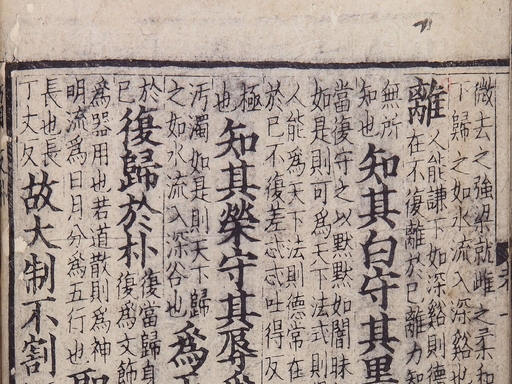
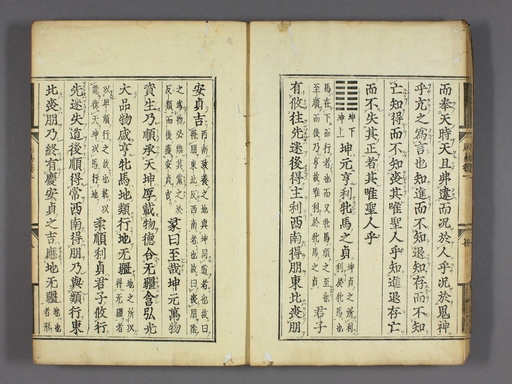
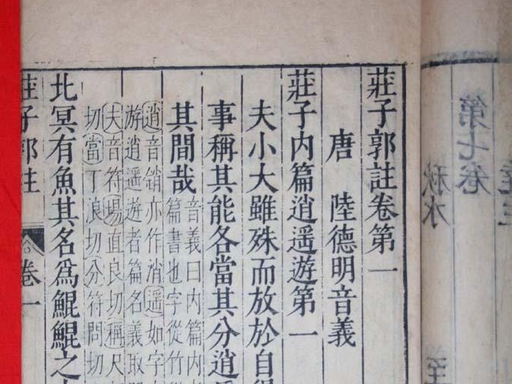
2. Dual Connotations: Narrow vs. Broad Metaphysical Culture
- Narrow Sense (Wei-Jin Metaphysics): A peak intellectual movement countering the rigid Confucian classics scholarship of the Han Dynasty. It forged a harmonious fusion of Confucian and Daoist thought, marking the second pinnacle of speculative philosophy in Chinese intellectual history.
- Broad Sense: Over successive dynasties, the term expanded to cover all systems exploring cosmic origins, karmic laws, and transcendental phenomena, including divination, fate calculation, feng shui, inner alchemical nourishment, and immortality arts. Contrasted with empirical science, this folk-oriented metaphysical culture traces its ideological roots all the way back to pre-Qin thinkers.
II. Pre-Qin Intellectual Foundations of Metaphysics
Wei-Jin Metaphysics did not emerge out of thin air; its core concepts and modes of reasoning draw deep nourishment from pre-Qin philosophical schools.
1. Daoism: The Core Backbone of Metaphysics
Daoism constitutes the foundational source of metaphysical ontology and theories of human spiritual attainment.
- Laozi’s Doctrine of the Dao and the Binary of Being & Non-Being: Laozi proposed that The Dao generates the One; the One generates the Two; the Two generate the Three; the Three generate all myriad things, establishing the Dao as the ultimate cosmic origin. His maxim All things under heaven arise from Being, and Being arises from Non-Being laid the groundwork for the central Wei-Jin debate over root (ontic source) and branch (tangible phenomena). The tenets of The Dao follows its inherent nature and Non-action governance also framed core discussions on the tension between ritual morality and natural spontaneity.
- Zhuangzi’s Realm of Spiritual Freedom: Zhuangzi’s Free and Easy Wandering envisioned an ideal persona of absolute spiritual liberation, while Discourse on Equalizing All Things dissolved worldly binaries of right and wrong, noble and humble, life and death. His meditative practices of mind fasting and sitting in oblivion offered pathways to apprehend the Dao, shaping the Wei-Jin literati’s pursuit of unrestrained spiritual grace.
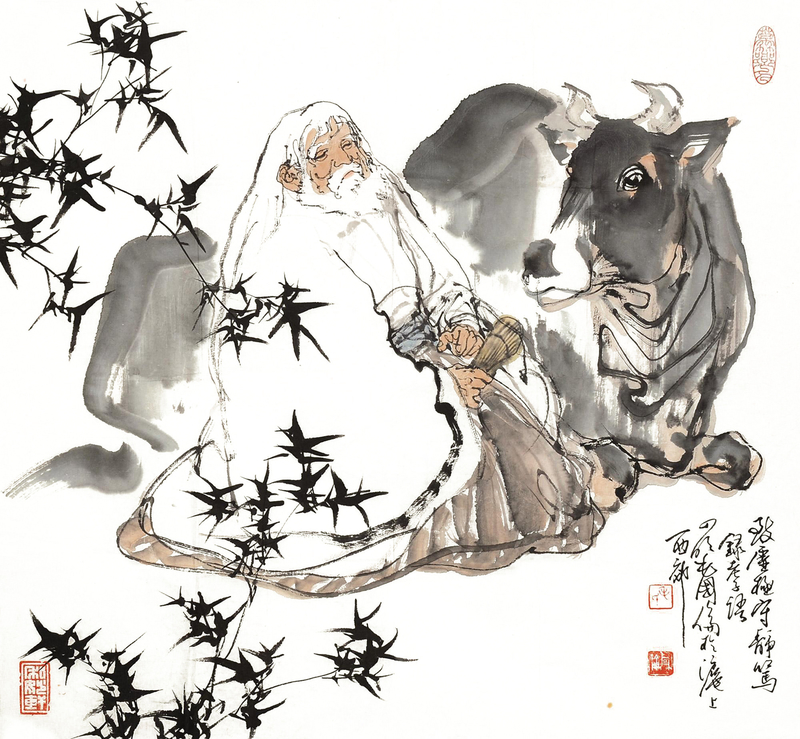
2. Confucianism: The Real-World Underpinning
Metaphysics never rejected Confucianism; instead, it sought to reconcile Confucian ethics with Daoist transcendence.
- Cosmic Yin-Yang Logic of the I Ching: Revered as the foremost Confucian classic, the I Ching advanced the principle One Yin and one Yang constitute the Dao, constructing a holistic framework of cosmic generation that metaphysics adopted as its textual anchor. Wang Bi re-interpreted the I Ching through a Daoist lens, abandoning the Han Dynasty’s cumbersome symbolic numerology to pioneer a philosophy-centered reading of the text.
- Orthodox Ritual Norms (Mingjiao): Mingjiao refers to Confucian hierarchical ethics and social order, the bedrock of ancient Chinese society. Metaphysical debates revolved endlessly around the rapport between ritual norms and natural spontaneity, seeking a cosmic metaphysical justification for Confucian morality rather than rejecting it outright. Even Ji Kang’s radical maxim Transcend ritual dogma to abide by one’s innate nature criticized only hollow, performative orthodoxy, not genuine moral principle.
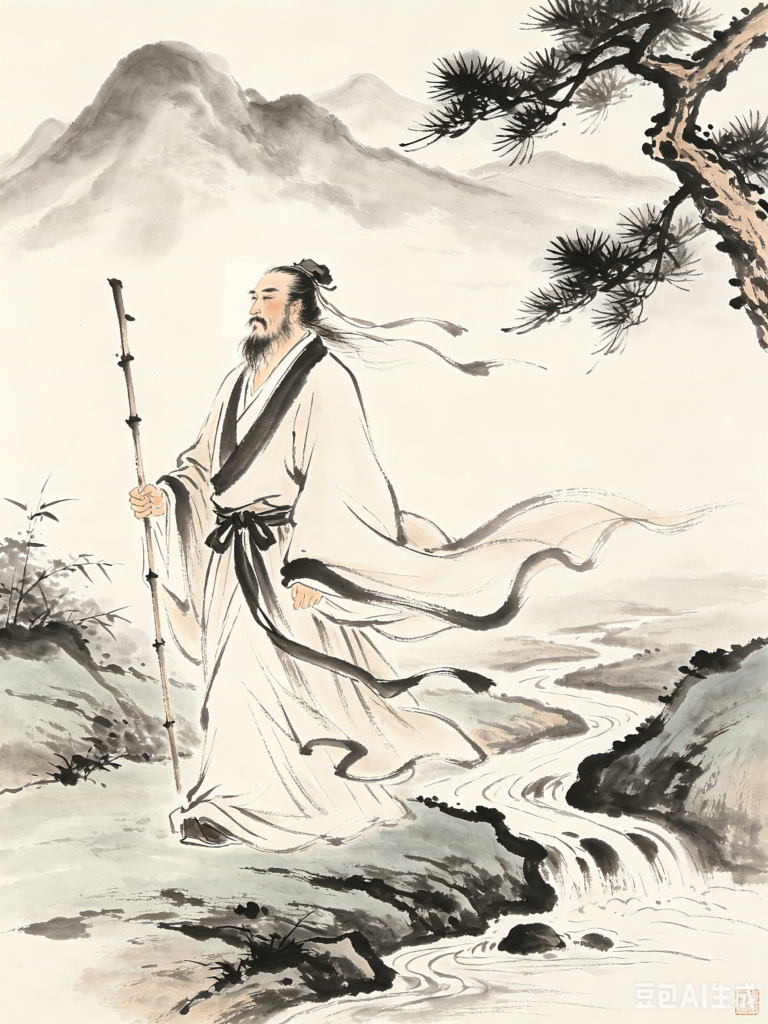
3. The School of Names & Huang-Lao Daoism: Methodological Precursors
- The School of Names’ Inquiry into Nomenclature and Reality: Pre-Qin thinkers such as Hui Shi and Gongsun Long debated the relationship between conceptual names and tangible reality, evolving into late Han “nomenclatural reasoning.” This dialectical tradition birthed the Wei-Jin practice of abstract salon discourse, alongside debates on innate character and talent, and language versus underlying meaning.
- Synthetic Huang-Lao Daoism: Prevailing in the early Han Dynasty, Huang-Lao thought wove Laozi’s philosophy with legal statecraft and Yin-Yang five-phase cosmology. Its pragmatic framework of governing through compliance with natural rhythms supplied an early template for metaphysics to synthesize disparate schools of thought.
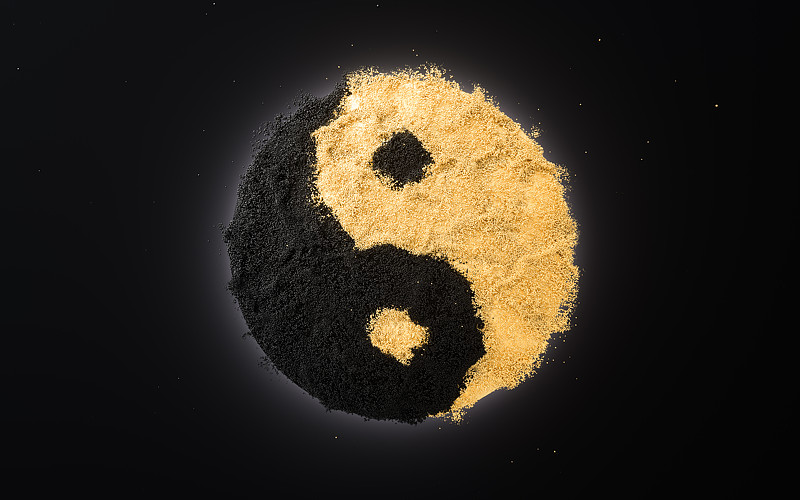
4. The School of Yin-Yang: The Fundamental Logical Framework of Folk Metaphysics
Zou Yan systematized Yin-Yang and the Five Elements, crafting a cyclical historical theory of dynastic succession via five cosmic virtues and a holistic worldview of resonance between heaven and humanity. Absorbed into Han Confucian classics scholarship, this system became the universal operating logic for all later esoteric arts—bazi fate calculation, feng shui, qimen divination, and more—upholding the metaphysical core belief of unity between mankind and the cosmos.
III. The Prelude to Metaphysics: Decline of Han Classics Scholarship & Late Han Intellectual Emancipation
The rise of Wei-Jin Metaphysics represented a profound intellectual backlash against the stagnant scholasticism of the Han Dynasty, born amid systemic ideological crisis.
1. The Rigid Collapse of Han Confucian Classics Scholarship
Confucian canonical learning dominated the Han, yet by the Eastern Han’s late phase, it devolved into stagnation:
- Excessive Verbosity: Scholars buried original texts under mountains of redundant annotation; some expounded merely two characters of the Canon of Yao with over one hundred thousand words, trapping generations in pedantry devoid of creative insight.
- Corruption by Apocryphal Divination: State-sponsored Confucianism merged with superstitious prophetic texts, twisting moral teaching into absurd cosmic omens deployed to manipulate state politics, eroding academic rigor entirely.
- Sectarian Division: Constant friction between New Text and Old Text Confucianism fostered rigid factionalism, stifling all intellectual innovation.
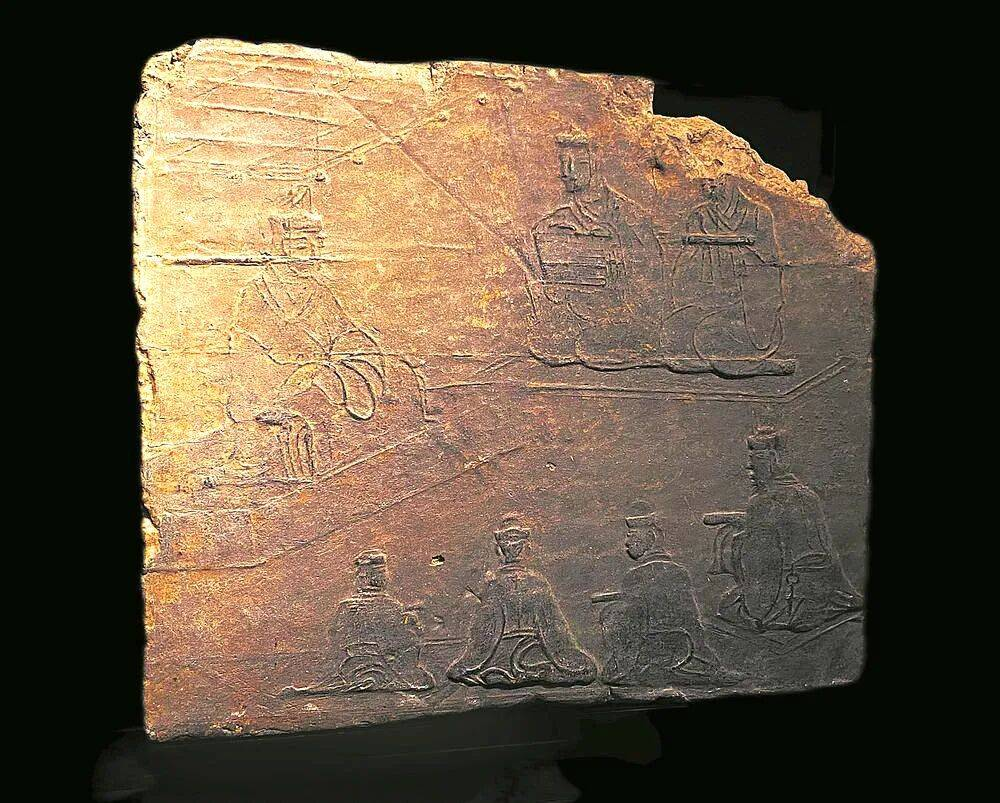
2. Late Han Turmoil and the Turn Toward Individual Spirituality
Peasant uprisings, warlord strife, and purges of scholar-officials shattered social order, discrediting the Confucian ritual system that sustained imperial stability. Fearing persecution and death, literati abandoned faith in state orthodoxy and turned inward to contemplate mortal existence and spiritual autonomy:
- The Shift from Political Critique to Abstract Salon Discourse: Eastern Han literati once openly debated governance and official character, but state repression silenced political commentary. Scholars retreated to abstract debates of ontology and human temperament, laying the groundwork for metaphysical salon culture.
- Awareness of Mortality: Endless warfare laid bare life’s fragility, reflected in lyrical lines from the Nineteen Ancient Poems: Human life drifts through the world, fleeting as a gust of dust. This melancholy aligned perfectly with Zhuangzi’s teachings on transcending life and death, furnishing an emotional foundation for metaphysical humanism.
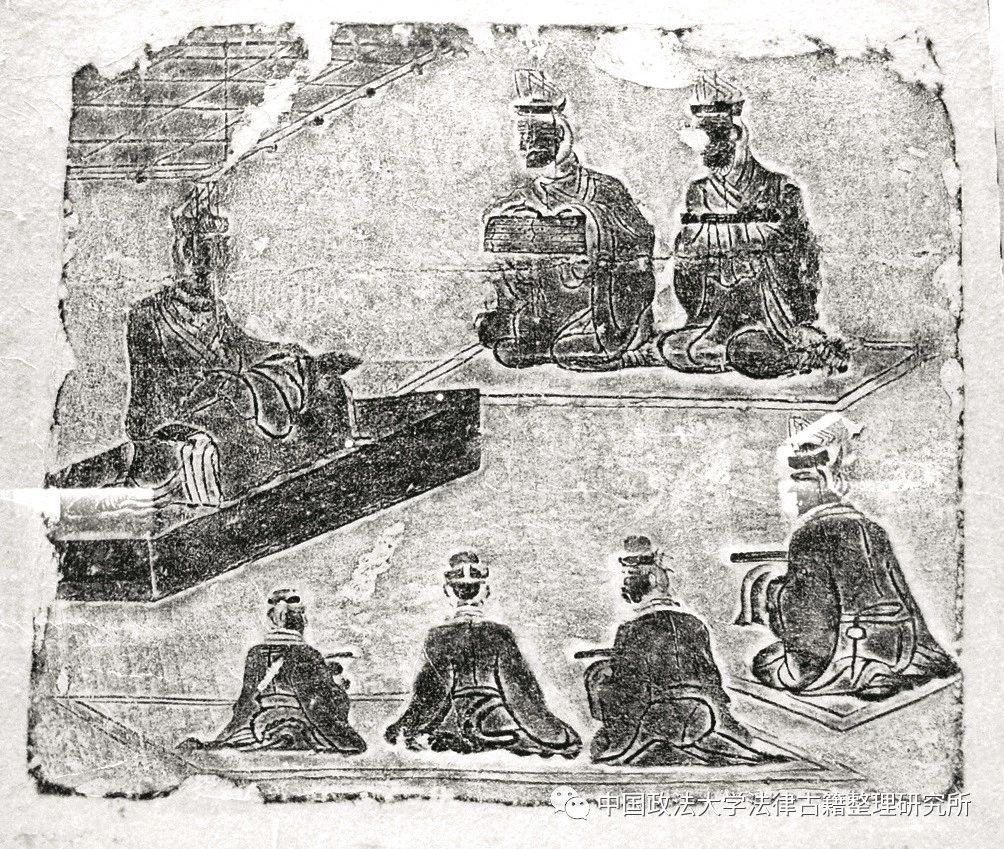
IV. Four Stages of Wei-Jin Metaphysics: From Zhengshi Eloquence to Dao-Buddhist Syncretism
Metaphysics reached its apex during the Wei and Jin dynasties, unfolding in four distinct phases with defining thinkers and core philosophical disputes, pushing speculative thought to unprecedented heights.
Phase One: Zhengshi Metaphysics – The Founding School of “Non-Being as the Root”
Era: Zhengsi reign of the Cao-Wei Dynasty (240–249 CE), known to history as the “Eloquence of Zhengshi,” the official birth of metaphysics.
Key Thinkers: He Yan, Wang Bi (the theoretical architect of systematic metaphysics)
Central Thesis: Non-Being constitutes the fundamental root, while tangible Being forms its superficial branches.
- He Yan authored Treatise on the Dao and Virtue and Commentaries on the Analects, first articulating that All heaven, earth and myriad things take Non-Being as their fundamental essence, elevating Non-Being to the status of ultimate cosmic ontology.
- Wang Bi (226–249 CE), a prodigy who passed away at twenty-four, constructed a complete metaphysical edifice:
- Ontology: Non-Being as root, Being as branch. Non-Being does not signify empty void, but an ultimate essence transcending all concrete definition; all tangible phenomena of Being manifest from this unseen root.
- Epistemology: Grasp the essence, discard the vessel of words: Language serves only as a medium to convey profound meaning; one must transcend literal text to apprehend underlying truth, revolutionizing Chinese philosophy, aesthetics, and literature.
- Reconciliation of Confucianism and Daoism: Sages embody Non-Being inherently. Confucius, the supreme sage, never explicitly spoke of Non-Being yet fully internalized its truth; Laozi repeatedly expounded Non-Being, yet remained confined to the realm of Being. This framework harmonized the two traditions while honoring Confucian primacy.
- Ritual and Nature: Confucian social norms emerge spontaneously from cosmic nature, bound as root and manifestation rather than opposing forces.
Phase Two: Bamboo Grove Metaphysics – Clash Between Ritual Orthodoxy and Innate Nature
Era: Transition from Wei to Western Jin (c. 250–262 CE, the year Ji Kang was executed), a period of brutal political suppression under the Sima clan’s usurpation of power.
Key Thinkers: The Seven Sages of the Bamboo Grove: Ji Kang, Ruan Ji, Shan Tao, Xiang Xiu, Liu Ling, Wang Rong, Ruan Xian
Central Thesis: Transcend hollow ritual dogma to abide by unadulterated human nature.
The Sima regime weaponized Confucian ritual morality to legitimize its violent seizure of the throne, breeding bitter resentment among literati toward performative, insincere orthodoxy. Thought shifted from the earlier belief that ritual arises from nature to outright critique of ritual constraint, prioritizing individual freedom and spiritual transcendence.
- Ji Kang (Radical Vanguard): Championed the maxim Transcend ritual dogma to abide by one’s innate nature, advocating liberation from man-made social hierarchies to follow humanity’s primal instincts. His Treatise on Sound Without Sorrow or Joy argued music itself carries no inherent grief or delight—emotion resides solely within the listener’s heart. His Discourse on Nourishing Life advocated quiet simplicity, freedom from desire, and holistic cultivation of body and spirit for longevity.
- Ruan Ji: Wrote Biography of the Great Human Master, crafting an archetypal transcendent figure united fully with the Dao, scathing in his satire of hypocritical ritual officials. His Treatise on Elaborating the Dao and Treatise on Elaborating the I Ching wove cosmic theory and human existence into a unified whole.
- Xiang Xiu (Mediating Voice among the Seven Sages): Began a commentary on Zhuangzi, advancing the theory that all things generate and transform autonomously, laying groundwork for Guo Xiang’s later synthesis reconciling ritual and nature.
Phase Three: Yuankang Metaphysics – Culminating Synthesis of “Affirmation of Being” and Spontaneous Self-Generation
Era: Yuankang reign of the Western Jin Dynasty (291–300 CE), a brief interval of unified stability.
Key Thinkers: Pei Wei, Guo Xiang
Central Debates: The doctrine of Affirming Being and the theory of Spontaneous Self-Generation, fully unifying ritual morality and natural spontaneity.
- Pei Wei’s Affirmation of Being: In response to the excesses of the Non-Being school’s indulgent nihilism, Pei Wei composed Treatise Affirming Being, asserting that Only Being can sustain Being. No void of Non-Being can generate tangible existence; all things subsist through mutual interdependence. He defended Confucian social order and condemned reckless, amoral hedonism.
- Guo Xiang’s Theory of Spontaneous Self-Generation: Expanding Xiang Xiu’s unfinished commentary on Zhuangzi, Guo Xiang delivered metaphysics’ definitive magnum opus, perfecting its speculative system:
- Ontology of Self-Generation: All things are neither born from Non-Being nor external Being; each entity arises spontaneously and transforms autonomously, uncreated by any external creator, coexisting harmoniously within the “Mysterious Unseen Realm.”
- Ritual Equals Nature: Confucian hierarchical ethics are identical to humanity’s innate spontaneous nature, fully reconciling worldly duty and spiritual transcendence. As Guo Xiang wrote: A sage may dwell amid courtly power, yet his heart remains no different from one wandering mountain forests. Worldly office and spiritual freedom cease to conflict.
- Reinterpretation of Wandering Freely: Every creature attains its own freedom by living in alignment with its inherent destiny—whether a giant roc or a tiny sparrow, each fulfills its own wandering without craving unattainable transcendence, grounding spiritual freedom within everyday mortal life.
Phase Four: Eastern Jin Metaphysics – Dao-Buddhist Syncretism and the Decline of Independent Metaphysics
Era: Eastern Jin Dynasty (317–420 CE)
Defining Feature: Deep fusion between metaphysics and Buddhist Prajna (wisdom) thought, until Buddhism supplanted metaphysics as the dominant speculative intellectual force.
After the Western Jin’s fall, scholar-officials fled southward, preserving salon discourse. Yet metaphysics exhausted its core debates, and literati turned to imported Buddhist doctrine for novel speculative frameworks.
- Analogical Buddhist Exegesis: Monks translated Buddhist scriptures by mapping metaphysical terminology (Non-Being, Being, root and branch) onto Buddhist concepts of emptiness and Prajna—a practice called “analogical matching.” Dao An’s School of Fundamental Non-Being equated metaphysical “Non-Being” with Buddhist emptiness.
- Zhi Dun (Zhi Daolin): A revered monk equally celebrated among literati, who reimagined Zhuangzi’s theory of free wandering through Prajna philosophy. He argued only enlightened ultimate beings attain true transcendence, surpassing Guo Xiang’s modest framing of fate-aligned freedom, and his reading swept across elite intellectual circles.
- Seng Zhao: The pinnacle of Dao-Buddhist syncretism, author of the Zhao Lun, comprising Treatise on Non-Absolute Emptiness, Treatise on Unmoving Phenomena, and Treatise on Unknowable Prajna. Drawing on Madhyamaka middle-way philosophy, he dissolved metaphysics’ age-old binary of Being and Non-Being, advancing the doctrine of “non-absolute emptiness” that transcended both schools of thought. After Seng Zhao, Buddhist philosophy overtook metaphysics as China’s premier speculative tradition.
- Zhang Zhan’s late Eastern Jin Commentary on the Liezi marked metaphysics’ final echo, merging metaphysical speculation with immortality and nourishment arts, paving the way for Daoism’s later absorption of Xuanxue thought.
V. Core Canons and Central Debates of Metaphysics
1. The Three Mysterious Classics (San Xuan), Metaphysics’ Foundational Texts
Metaphysical scholarship revolved around three canonical texts collectively titled the Three Mysteries:
- Tao Te Ching: The primary source for cosmic ontology and political philosophy
- Zhuangzi: The fountainhead of theories on human spiritual attainment and transcendental realms
- I Ching: The framework for cosmic Yin-Yang reasoning and textual philosophical exegesis
2. Five Foundational Scholarly Disputes
All Wei-Jin metaphysical discourse orbited five core debates spanning ontology, epistemology, ethics, and human temperament:
- Root and Branch: Non-Being vs. Being: The defining ontological rift, split into three schools: Wang Bi and He Yan’s Affirmation of Non-Being, Pei Wei’s Affirmation of Being, and Guo Xiang’s theory of spontaneous self-generation.
- Ritual Orthodoxy vs. Innate Nature: Metaphysics’ most worldly inquiry, evolving in three stages: ritual emerging from nature, transcending ritual for nature, and ritual identical to nature.
- Language vs. Underlying Meaning: The core of metaphysical epistemology. Xun Can argued words can never fully capture ultimate truth; Wang Bi advocated grasping essence and discarding linguistic vessel; Ouyang Jian maintained language fully conveys all meaning. Wang Bi’s theory of discarding words to seize essence laid the bedrock of Chinese aesthetic theory.
- Innate Temperament vs. Acquired Talent: Abstracted from Eastern Han elite character evaluation, yielding four stances: temperament and talent identical, divergent, unified, or separate—known as the Four Theories of Temperament and Talent, closely tied to the Nine-Rank civil service selection system of the Wei-Jin era.
- Sages: Possess or Transcend Emotion?: Debating the ideal spiritual persona. He Yan held sages transcend all joy and sorrow entirely; Wang Bi countered that sages bear human emotion yet remain unenslaved by it—a conception of virtue far more resonant with traditional Chinese humanism.
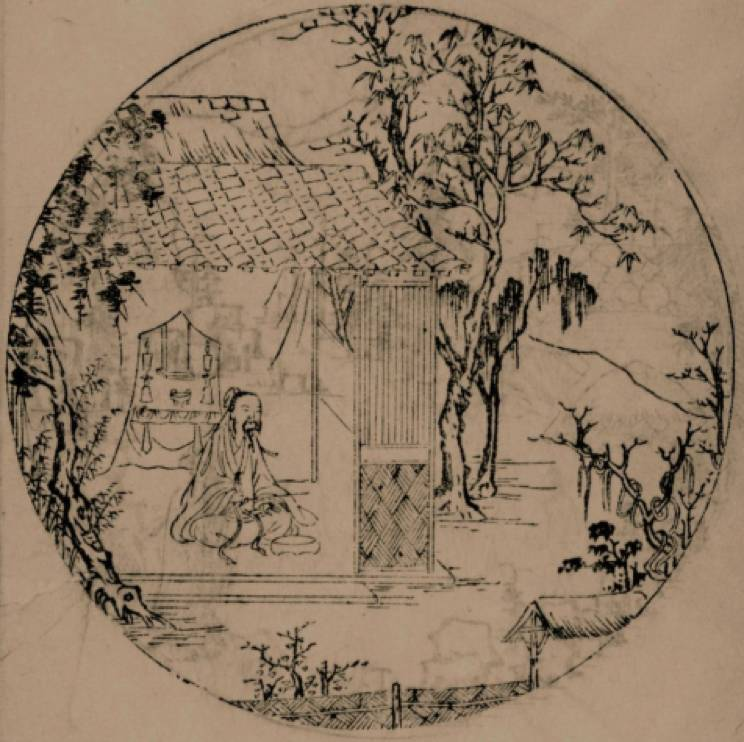
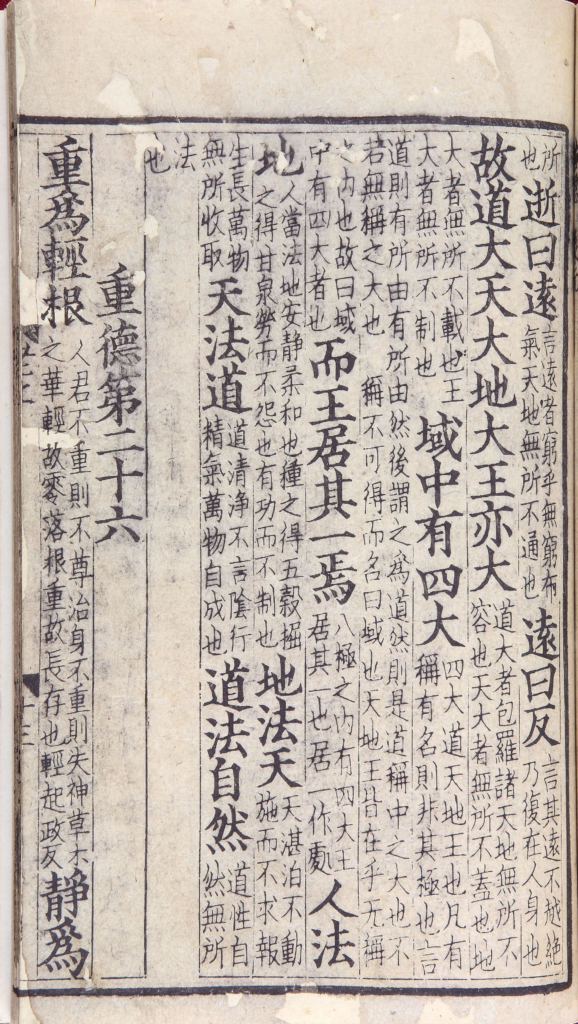
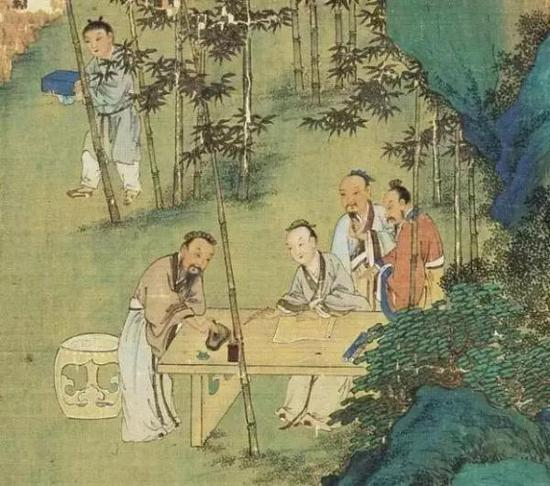
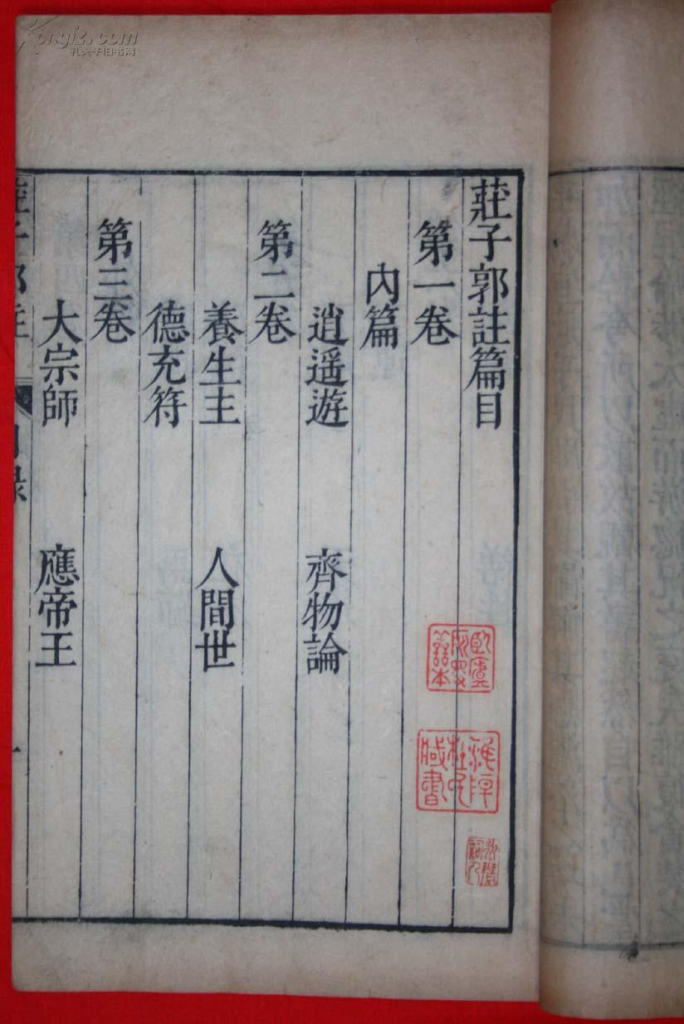
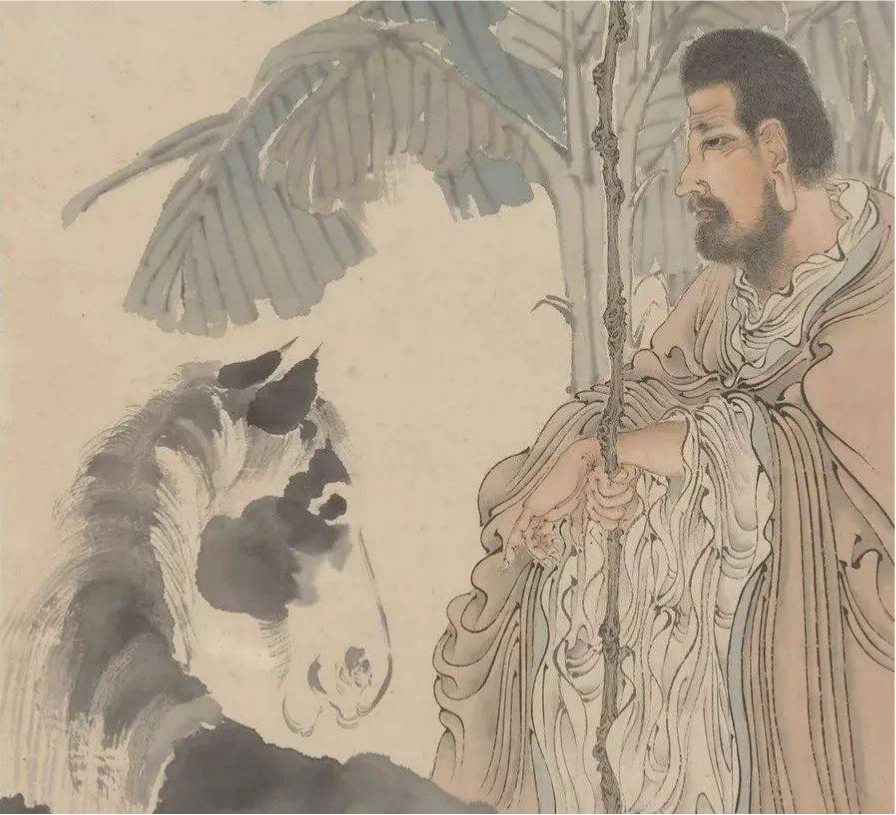
(Illustrations recommended: Ming woodblock interior of the Zhuangzi, painting of Wei-Jin literati salon debate)
VI. Later Evolution and Broad Cultural Diffusion of Metaphysics
After the Wei-Jin period, independent metaphysics as an elite philosophical movement faded, yet its ideological DNA permeated every facet of Chinese civilization, branching into the folk esoteric culture broadly labeled “metaphysics” in common parlance.
1. Absorption into Daoism: Twofold Mystery and Inner Alchemy
From the Northern and Southern Dynasties through the Sui and Tang, Daoism fully integrated metaphysical thought to construct its own systematic philosophy:
- Twofold Mystery (Chongxuan Daoism): The dominant Daoist philosophical school of the Sui-Tang, extending metaphysics’ Being/Non-Being dialectic to advocate dual transcendence—abandon attachment to Being, abandon attachment to Non-Being, and even abandon attachment to non-attachment, reaching an elevated tier of speculative thought. Leading thinkers include Cheng Xuanying and Du Guangting.
- Inner Alchemy (Neidan): Song and post-Song Daoist inner alchemy adapted metaphysical practices of apprehending the Dao into bodily cultivation, pursuing simultaneous refinement of innate spiritual nature and mortal physical life, forming a major branch of broad folk metaphysical culture.
2. Absorption into Confucianism: Ontological Foundations of Neo-Confucianism
Though Song-Ming Neo-Confucianism claimed orthodox Confucian heritage, its core ontological architecture bears profound metaphysical influence:
- Cheng-Zhu Neo-Confucianism’s maxim One principle manifests in myriad particulars mirrors Wang Bi’s reasoning of unified root and diverse branches.
- Lu-Wang Mind Learning’s tenet The mind itself is cosmic principle prioritizes internal intuitive realization, echoing metaphysical practices of apprehending the Dao through inner contemplation.
- All major Neo-Confucian scholars mastered the I Ching, inheriting the text’s philosophy-centered interpretation pioneered by Wei-Jin metaphysics.
3. Popularization: Maturation of Folk Esoteric Arts
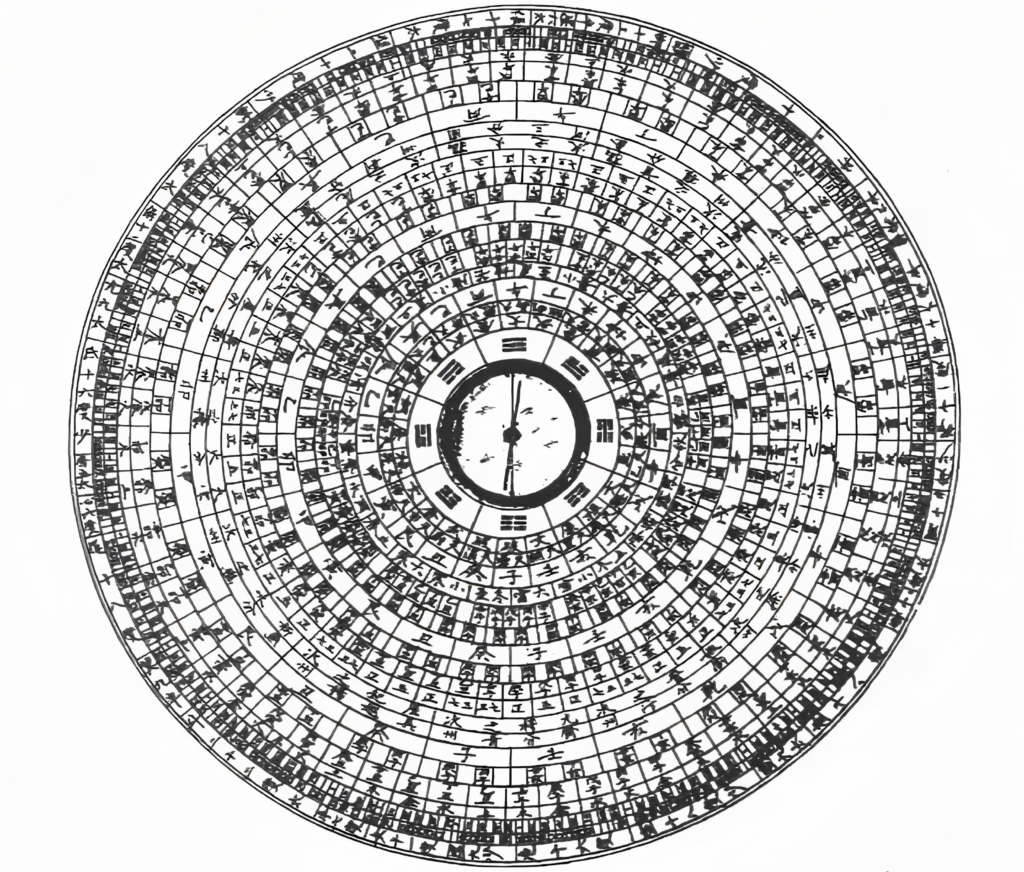
From the Tang and Song onward, “metaphysics” migrated from elite scholarly circles to encompass all folk esoteric arts recognized by common people today. Built upon Yin-Yang Five Elements logic and the core tenet of heaven-human unity, this vast system subdivides into distinct disciplines:
- Divination: Six Lines Divination, Plum Blossom I Ching, Qimen Dunjia, Great Six Ren, Taiyi Divine Calculation
- Fate Calculation: Eight Characters Bazi, Purple Star Astrology, facial reading, palmistry, bone physiognomy
- Feng Shui Geomancy: Residential Yangzhai Feng Shui, burial Yinzhai Kanyu, Rationalist School, Topographic School
- Auspicious Timing Selection: Imperial almanac divination, date picking for weddings, funerals, and travel, directional taboos
These folk arts permeated every layer of daily ancient Chinese life, forming the backbone of traditional folk custom, their theoretical frameworks systematized under metaphysical influence while tracing core origins to pre-Qin Yin-Yang thought.
4. Aesthetic and Artistic Legacy: The Birth of Chinese Artistic Vision
Metaphysics exerted an even more profound influence on Chinese painting, calligraphy, poetry, and aesthetics than its pure philosophical output:
- The principle of discarding words to seize essence birthed China’s central aesthetic theory of artistic vision (yijing), prioritizing boundless implicit meaning beyond literal depiction, valuing spiritual resonance over literal physical likeness.
- Metaphysics ignited elite literati’s reverence for natural landscapes, directly spawning Wei-Jin landscape poetry and landscape painting, establishing the enduring Chinese artistic tradition of natural aesthetic contemplation.
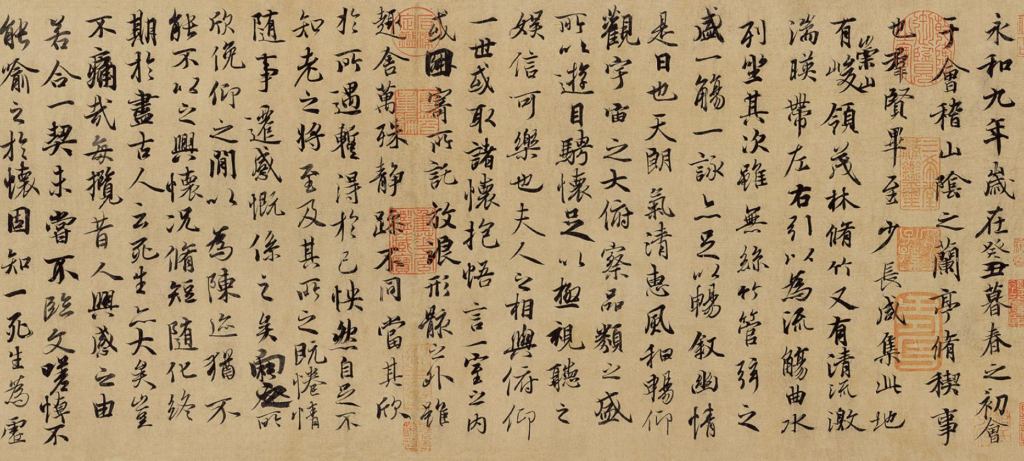
- The Wei-Jin Literati Grace—a persona of unrestrained, elegant freedom focused on inner spiritual charisma—became the archetypal aesthetic ideal for all later Chinese painting, calligraphy, and literary creation.
VII. Historical Significance and Core Traits of Metaphysical Culture
1. Historical Position
- Metaphysics constitutes the second great pinnacle of speculative philosophy in Chinese intellectual history, shattering the rigid orthodoxy of Han Confucian classics scholarship to spark an era of intellectual liberation and individual self-awareness, hailed by academia as China’s indigenous “Renaissance.”
- It engineered the first profound reconciliation of Confucianism and Daoism, establishing the enduring complementary dualism of Chinese traditional culture: scholar-officials embrace public duty when rising to power, and cultivate solitary spiritual transcendence when relegated to seclusion.
- It laid the ideological groundwork for the Sinicization of Buddhism, furnishing the conceptual vocabulary for Prajna thought and the eventual birth of Chan Buddhism, standing as a vital bridge for Sino-Indian cultural exchange.
2. Defining Cultural Characteristics
- Unity of Heaven and Humanity: Frames mankind and the cosmos as an interconnected organic whole, pursuing harmony between individual human spirit and the universal Dao, rejecting the subject-object dualism of Western metaphysics.
- Identity of Substance and Manifestation: Ultimate cosmic essence (substance) and tangible worldly phenomena (manifestation) exist as an inseparable unity; no transcendent essence exists detached from visible reality.
- Intuitive Inner Apprehension: The ultimate Dao cannot be fully grasped through linear logical reasoning, requiring quiet internal intuition and contemplative realization, prioritizing experiential insight over formal argumentation.
- Harmonized Confucianism and Daoism: Balancing worldly social duty and otherworldly spiritual transcendence, embodying Chinese civilization’s unique temperament of moderate balance paired with quiet transcendence.
Translation Notes
Key cultural terms adopt established academic English renderings in sinology for fluency and scholarly credibility:
- 玄学 = Metaphysics (capitalized when referring to Wei-Jin Xuanxue as a formal school)
- 道 = Dao (standard Wade-Giles academic spelling, not “Tao”)
- 三玄 = The Three Mysterious Classics
- 竹林七贤 = The Seven Sages of the Bamboo Grove
- 天人合一 = Unity of Heaven and Humanity
- 阴阳五行 = Yin-Yang and the Five Elements
- 名教 = Ritual Orthodoxy (Mingjiao, Confucian hierarchical social morality)